Introduction
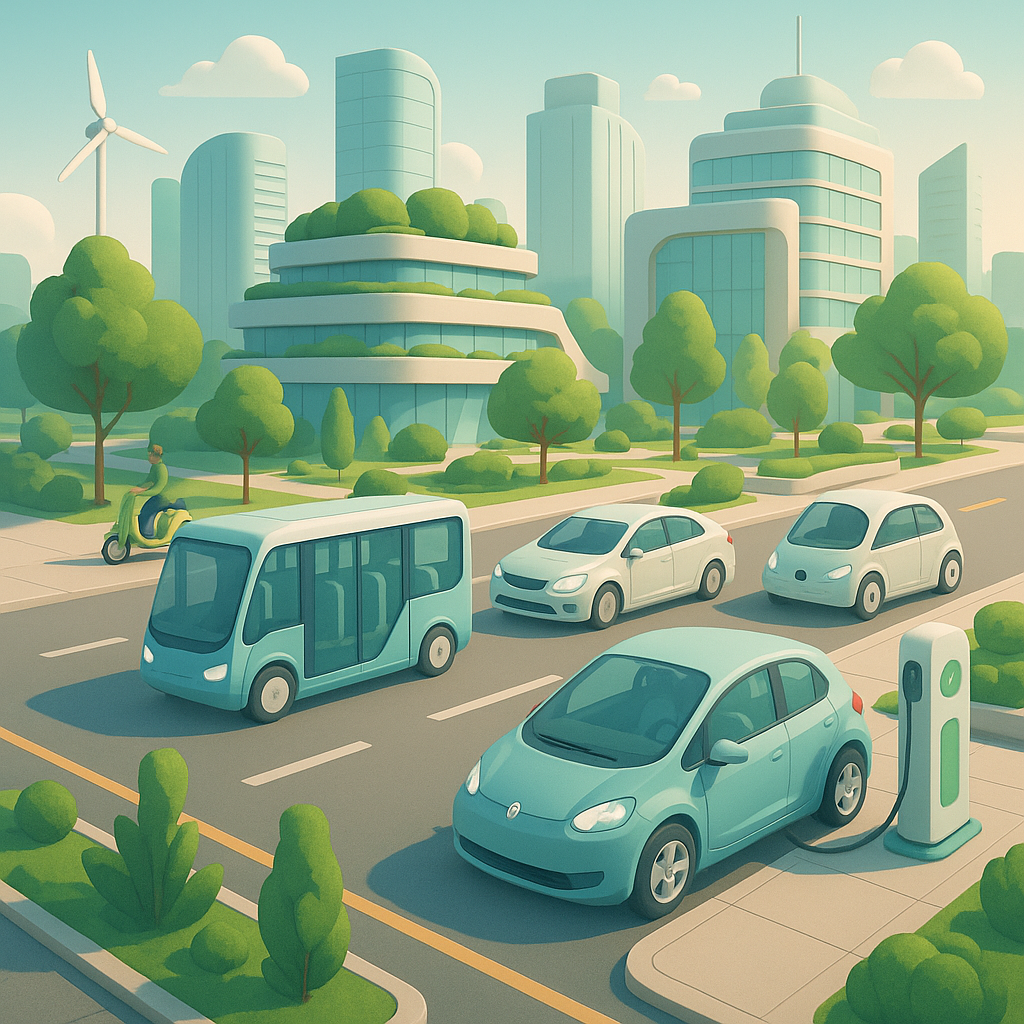
The automotive industry is undergoing a transformation with technology paving the way for innovative transportation solutions. In this article, we explore the future of auto transportation, focusing on the advancements that are shaping how we will travel in the coming years.
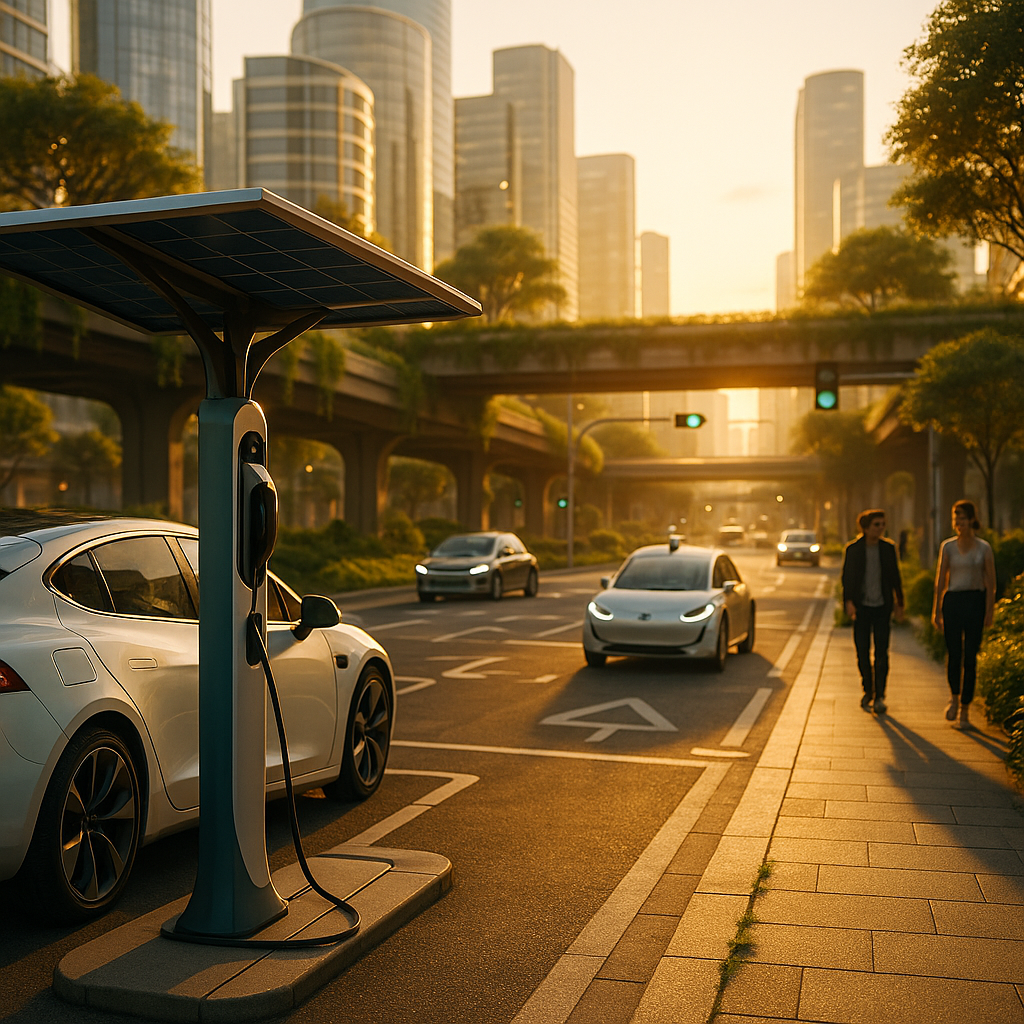
Electric Vehicles: Leading the Charge
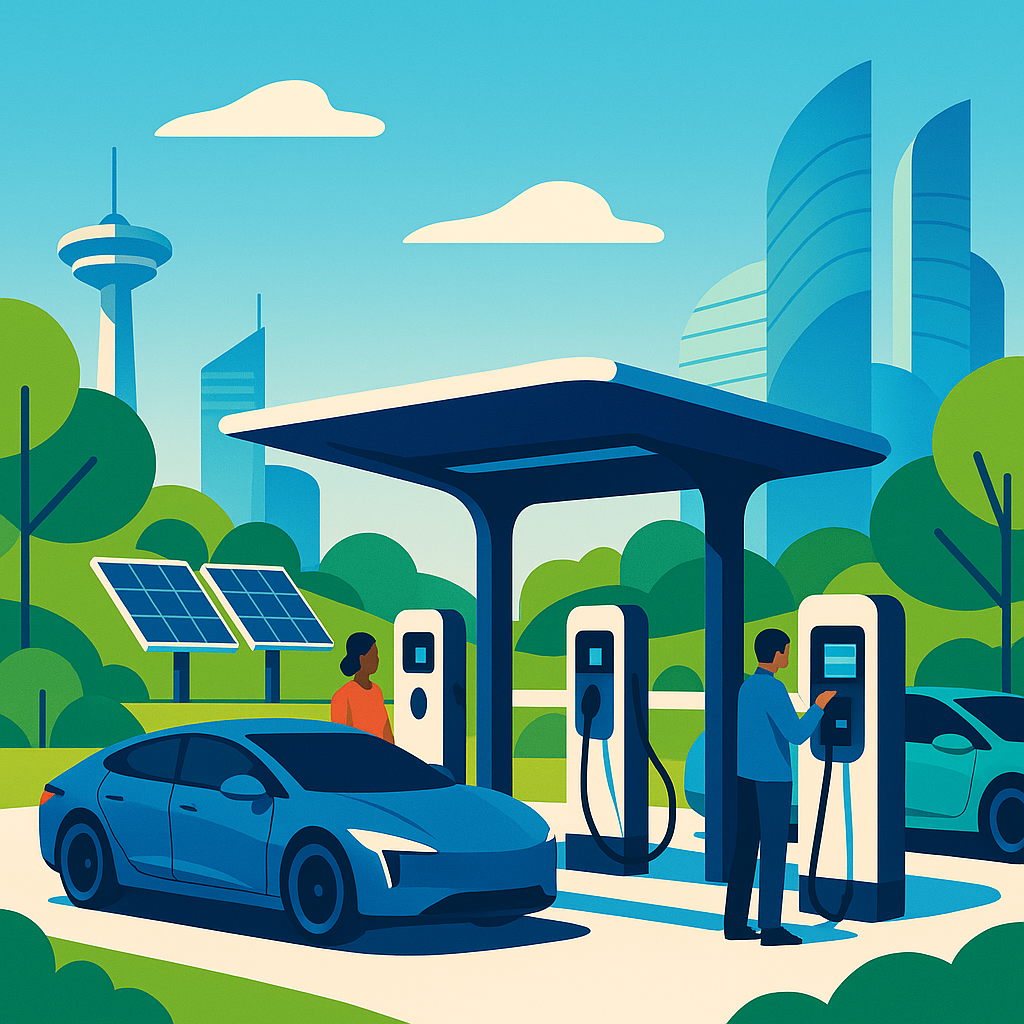
One of the most significant trends is the rise of electric vehicles (EVs). With growing concerns over climate change and the need for sustainable practices, EVs are becoming more mainstream. Key benefits of electric vehicles include:
- Reduced Emissions: EVs produce zero tailpipe emissions, contributing to cleaner air.
- Cost Efficiency: Lower fuel and maintenance costs compared to traditional gasoline vehicles.
- Technological Integration: Many EVs come equipped with advanced tech features that enhance safety and connectivity.
Autonomous Driving Features
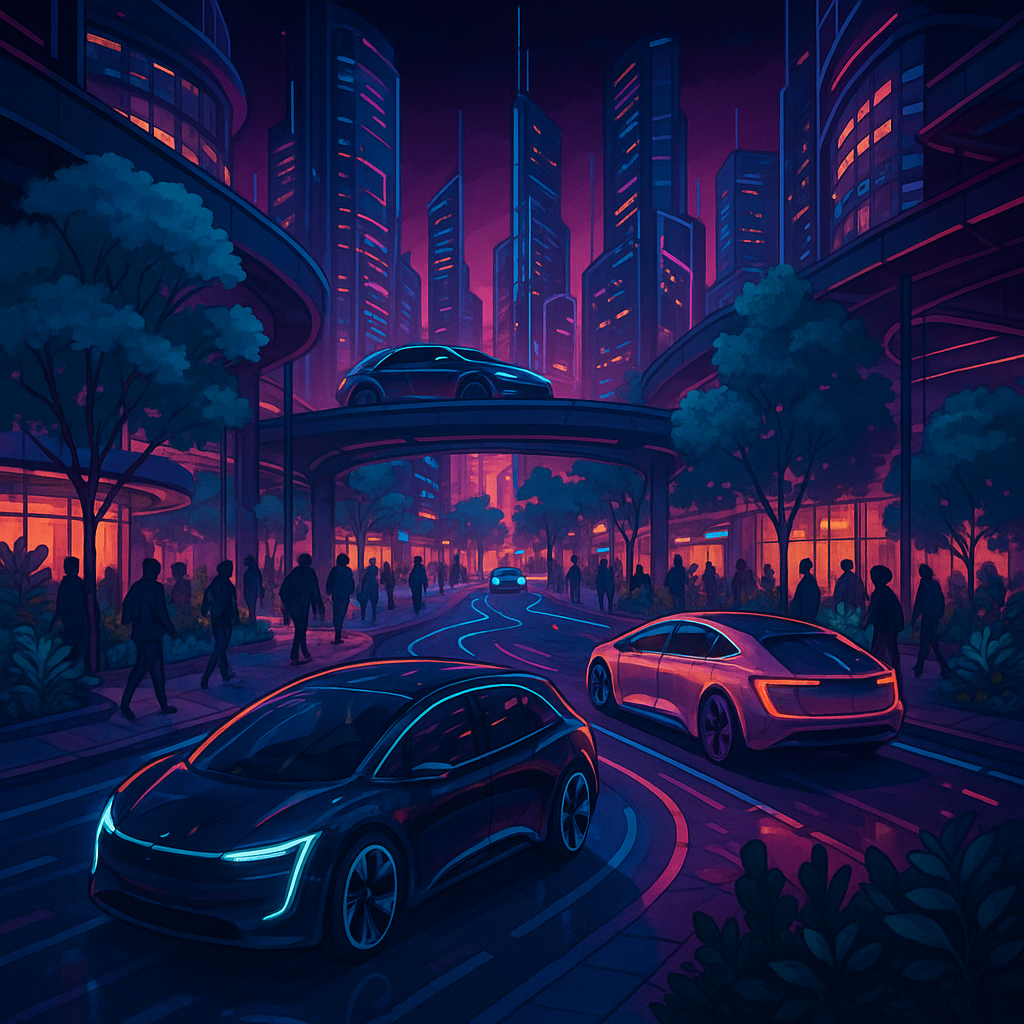
Another exciting development in the auto transportation sector is the advancement of autonomous vehicles. These self-driving cars utilize a combination of sensors, cameras, and artificial intelligence to navigate and control the vehicle. The potential benefits include:
- Increased Safety: Reduced human error, the leading cause of accidents.
- Improved Traffic Flow: Autonomous vehicles can communicate with each other to optimize routes.
- Accessibility: Options for individuals unable to drive due to age or disability.
Connected Vehicles and Smart Technology
As the Internet of Things (IoT) continues to expand, vehicles are becoming increasingly connected. This connectivity allows for:
- Real-Time Updates: Drivers receive live traffic updates, weather conditions, and route changes.
- Remote Diagnostics: Vehicles can report issues to manufacturers before they become serious problems.
- Enhanced Safety Features: Technology like automatic emergency braking and lane departure warnings are becoming standard.
The Role of Public Transportation
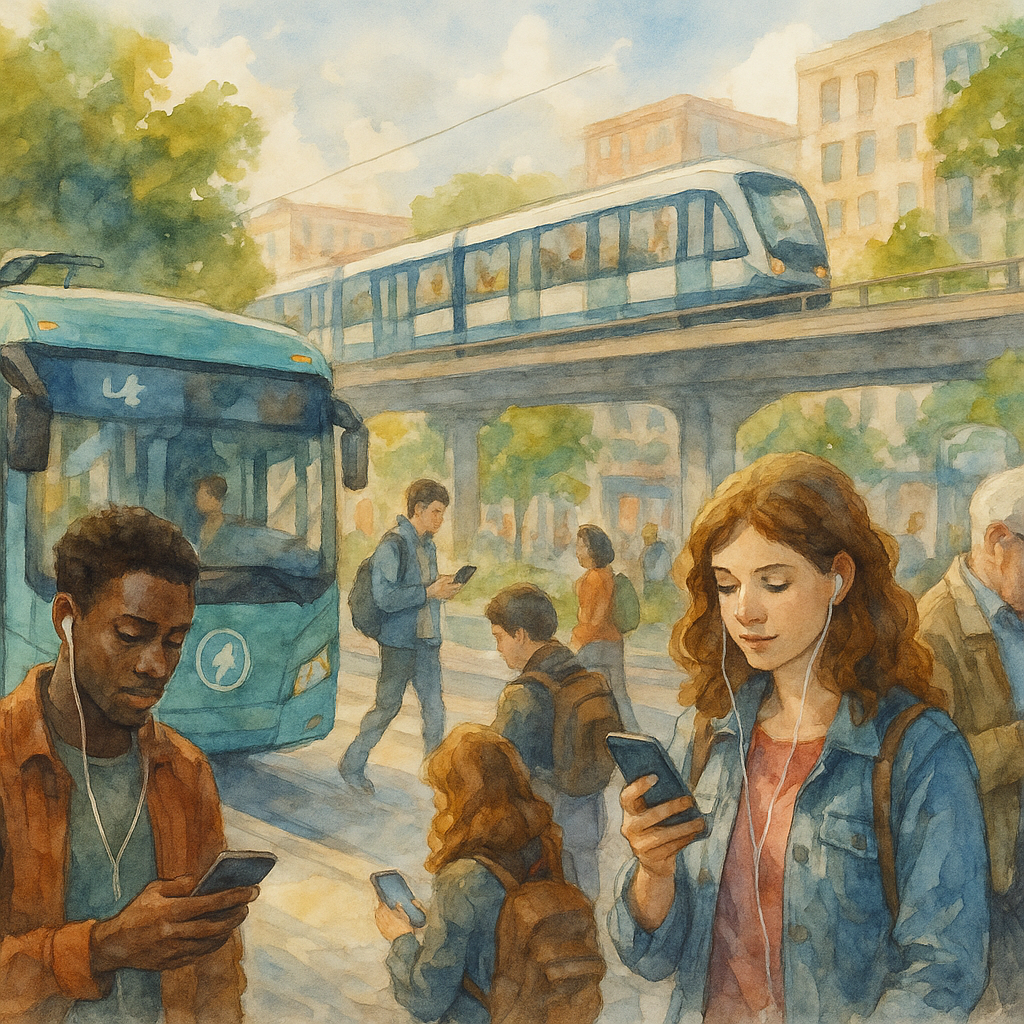
While personal vehicles remain vital, public transportation is also evolving. Innovations such as electric buses and high-speed rail are making public transit more efficient and environmentally friendly. Benefits of modern public transportation include:
- Reduced Congestion: Encouraging mass transit use can decrease the number of vehicles on the road.
- Cost-Effective Travel: Public transportation often provides a more affordable alternative to personal vehicle ownership.
- Environmental Impact: Using buses and trains reduces the carbon footprint of commuting.
Conclusion
In conclusion, the future of auto transportation is bright, filled with exciting innovations that promise to change the way we travel. Key trends such as the rise of electric vehicles, the advancement of autonomous driving technology, and the increasing connectivity of vehicles contribute to a more sustainable, efficient, and safe transportation landscape. As these technologies continue to evolve, we can expect a profound shift in how we think about mobility.