
The Rise of Autonomous Vehicles: Shaping Future Transport
As technology progresses at an unrelenting pace, one of the most exciting developments in the automotive industry is the rise of autonomous vehicles. These self-driving cars are not merely a figment of our imagination; they are fast becoming a reality that promises to transform the way we view transportation. In this article, we explore the implications and potential of autonomous vehicles for our future.
Understanding Autonomous Vehicles
Autonomous vehicles, often referred to as self-driving cars, utilize advanced technology including artificial intelligence (AI), sensors, and complex algorithms to navigate without human intervention. Major auto manufacturers and tech companies alike are investing heavily in this technology, leading to rapid developments.
How Do Autonomous Vehicles Work?
- Sensors: Autonomous cars are equipped with various sensors such as radar, lidar, and cameras that help them perceive their environment.
- Artificial Intelligence: The AI system processes data from the sensors to make decisions on steering, acceleration, and braking.
- Connectivity: These vehicles often communicate with each other and with traffic infrastructure to optimize routes and improve safety.
Benefits of Autonomous Vehicles
The shift towards autonomous transportation can bring numerous advantages to society:
- Increased Safety: With a significant percentage of accidents caused by human error, autonomous vehicles can potentially reduce road fatalities.
- Traffic Efficiency: Self-driving cars can enhance traffic flow by communicating with each other, leading to fewer traffic jams and reduced travel time.
- Accessibility: These vehicles can provide mobility solutions for individuals unable to drive, including the elderly and disabled.
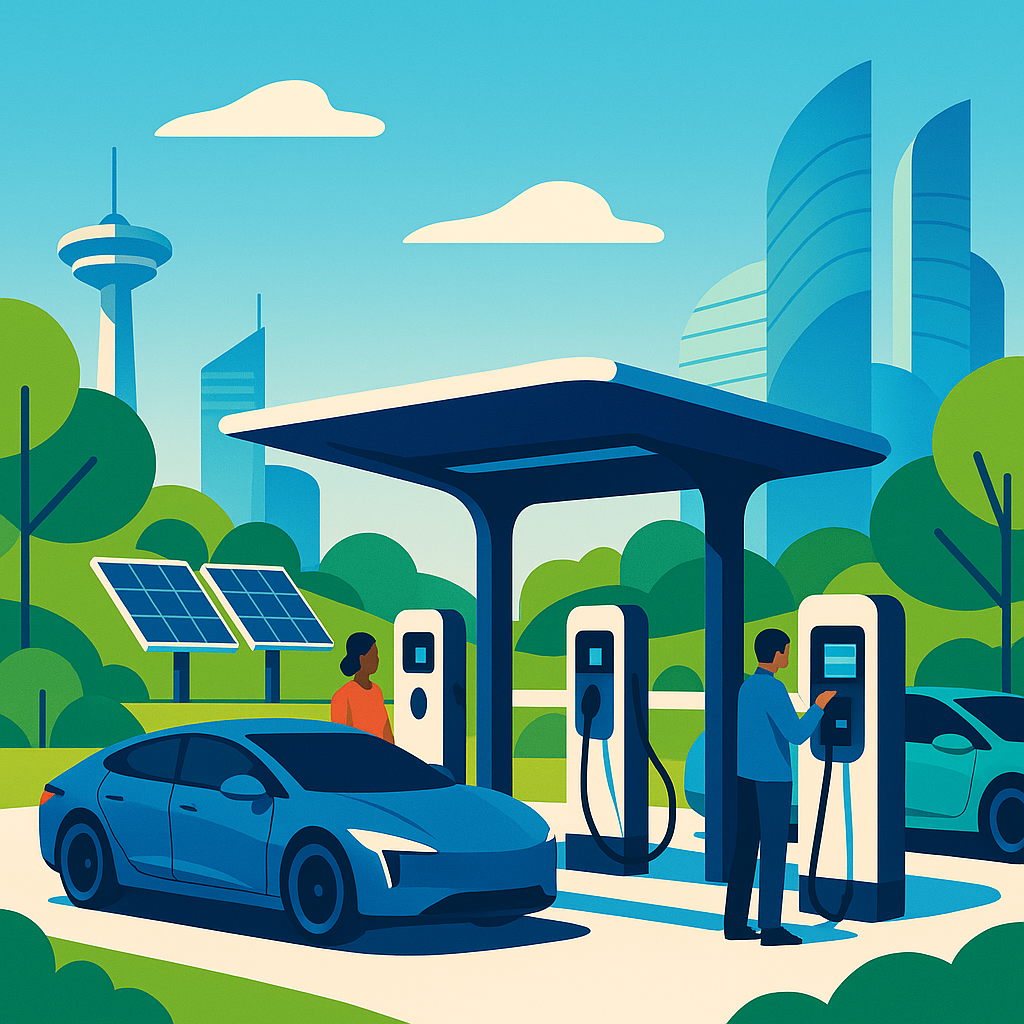
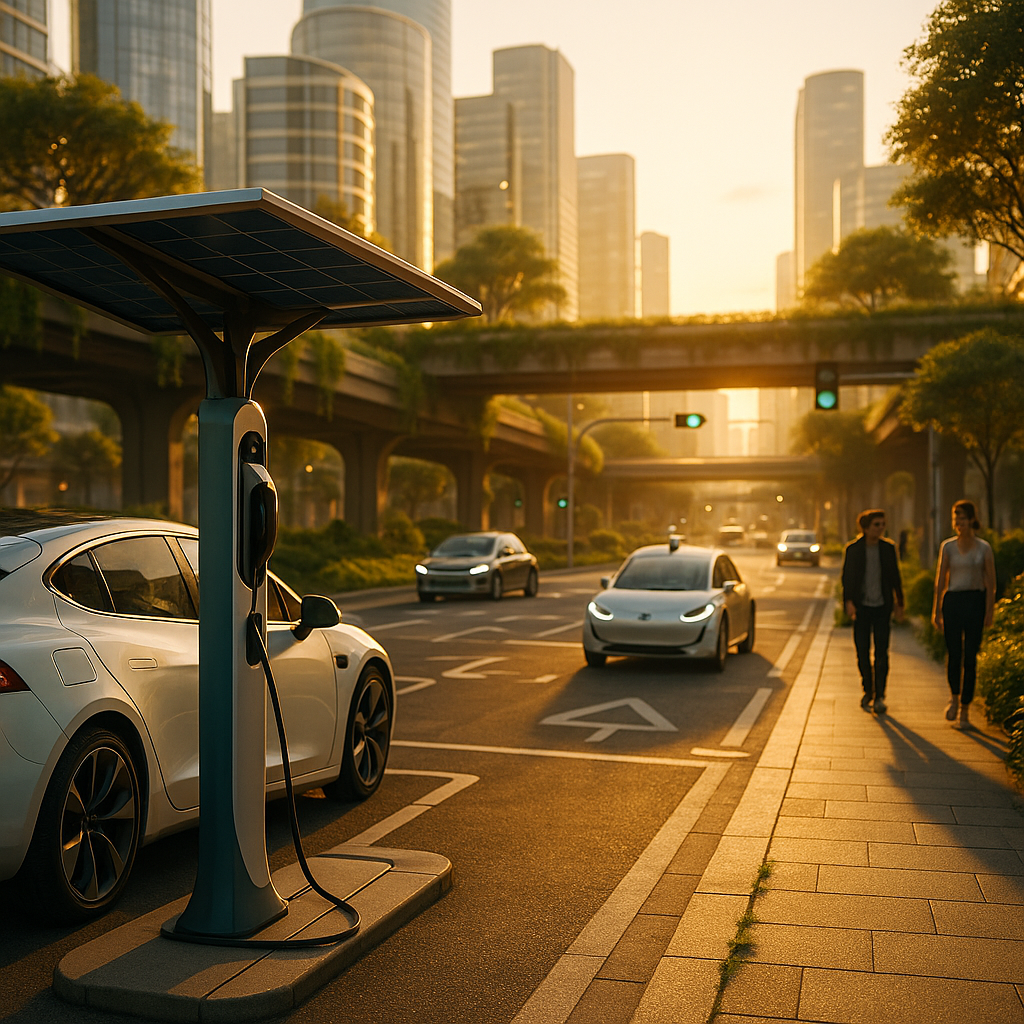
- Environmental Impact: Autonomous vehicles can be designed to be electric, decreasing dependence on fossil fuels and reducing carbon emissions.
Challenges Facing Autonomous Vehicles
Despite the numerous benefits, there are challenges that must be addressed before we can fully integrate autonomous vehicles into our transportation systems:
- Regulation: Governments worldwide must create regulations that ensure the safe integration of autonomous vehicles onto public roads.
- Ethical Dilemmas: Decision-making algorithms must be programmed to handle complex situations where ethical considerations come into play.
- Technology Reliability: Ensuring the technology is foolproof, especially in adverse weather conditions or unpredictable scenarios, is crucial.
The Future Landscape of Transportation
The rise of autonomous vehicles is expected to bring profound changes to urban planning and infrastructure. Here are a few anticipated shifts:
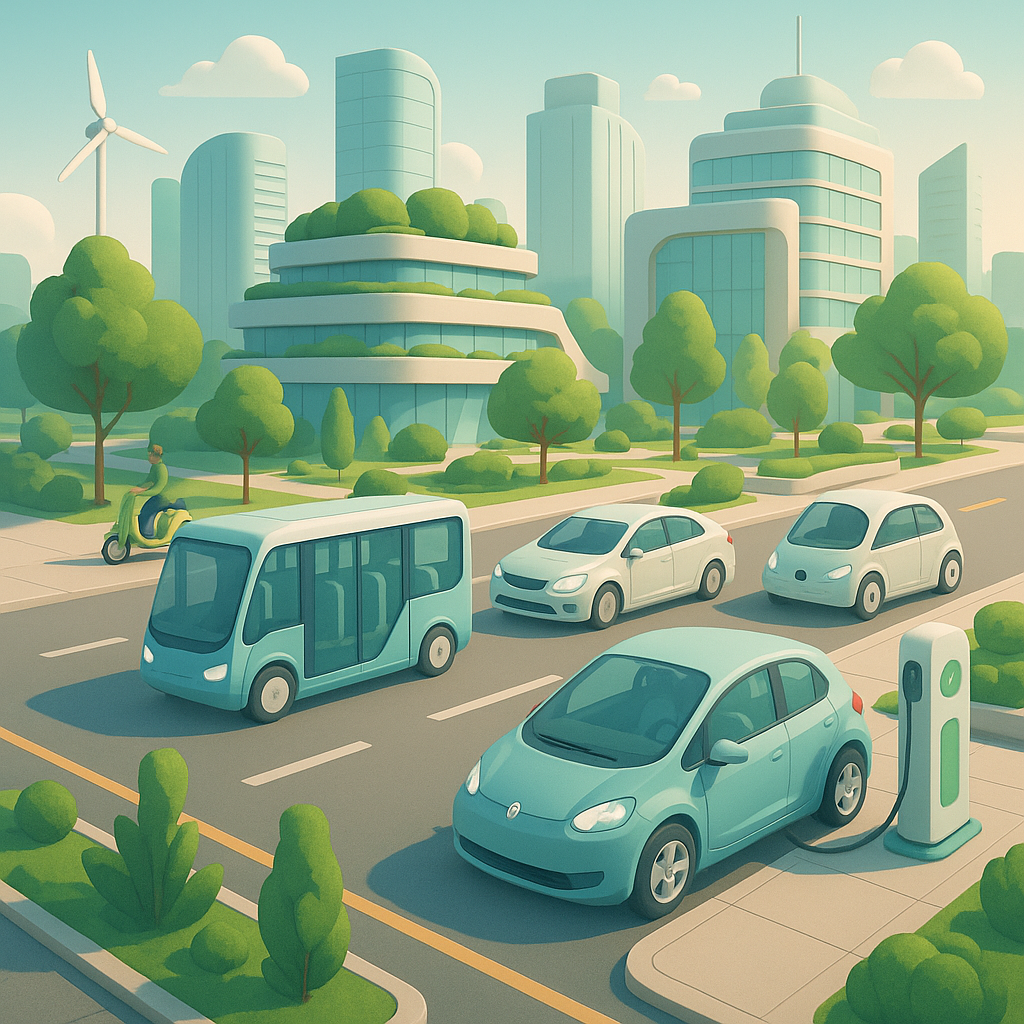
- Redesigned Cities: As self-driving cars become prevalent, cities may reduce the need for parking spaces, allowing more green areas and pedestrian zones.
- Shared Mobility: Autonomous vehicle-sharing services could reduce car ownership, leading to fewer vehicles on the roads.
- Transportation as a Service (TaaS): With the rise of self-driving technology, we may see the emergence of TaaS models that change the way we think about car ownership.
Conclusion
In conclusion, the rise of autonomous vehicles stands to transform transportation as we know it. The integration of these vehicles into our daily lives poses both significant opportunities and challenges. As technology continues to evolve, it is incumbent upon society to navigate these changes thoughtfully to ensure a future where transportation is safer, more efficient, and accessible to all.