Introduction to Electric Vehicles
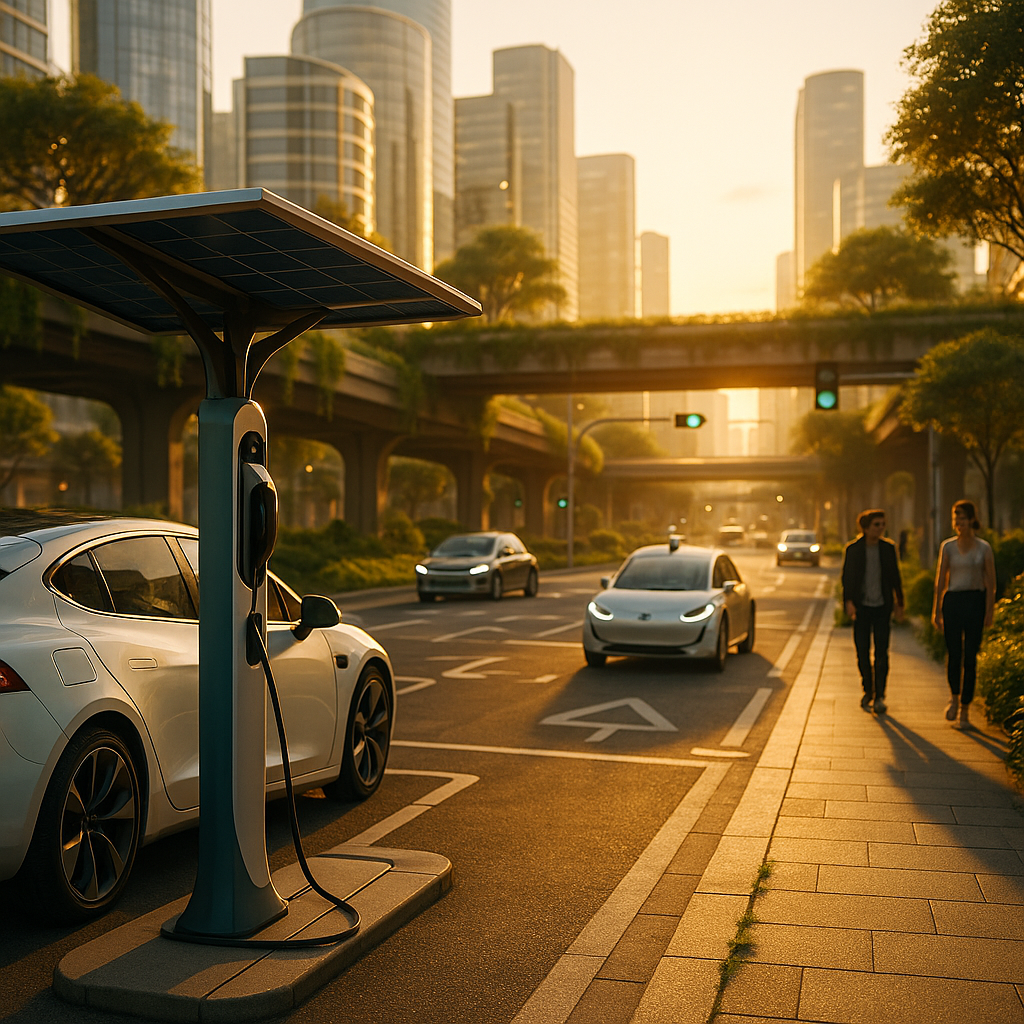
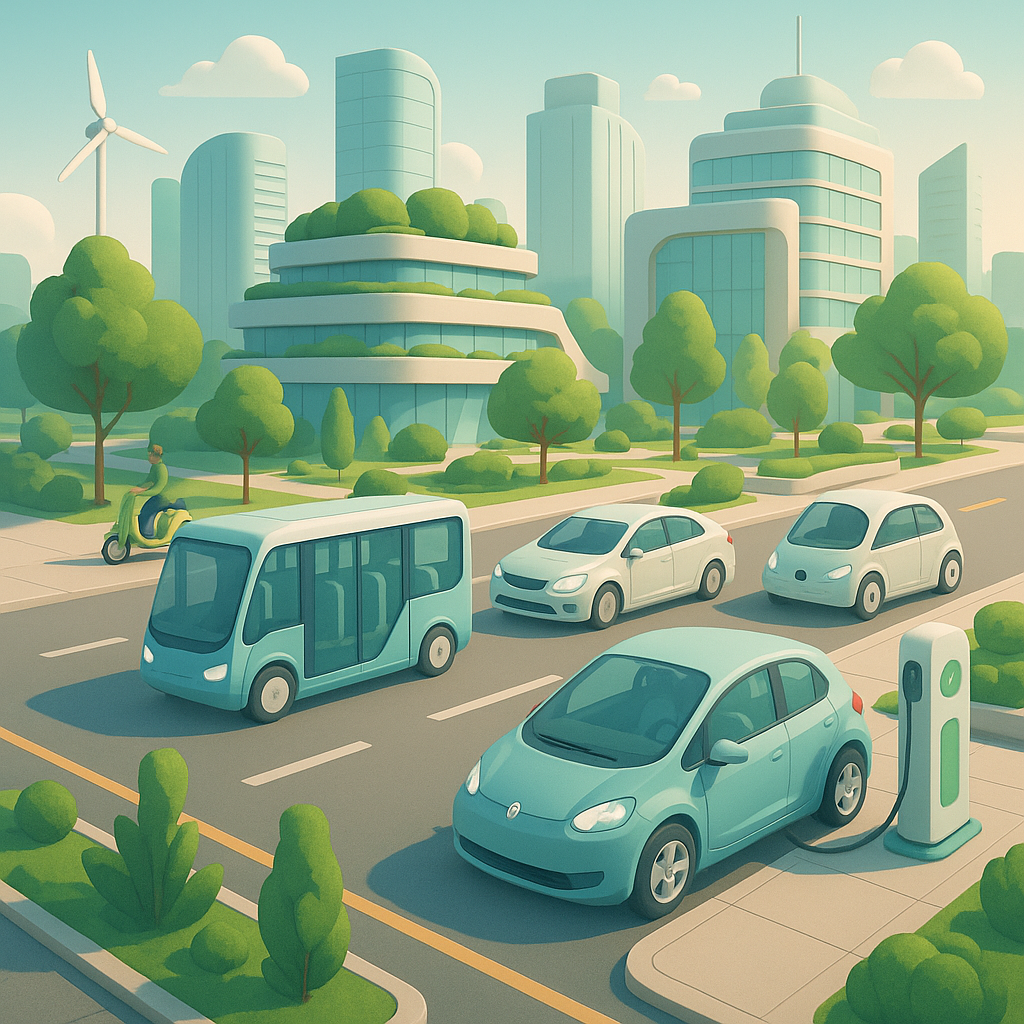
The automotive industry is undergoing a significant transformation with the rise of electric vehicles (EVs). These innovative cars not only promise to reduce carbon emissions but also offer enhanced driving experience and technology. As consumers become more environmentally conscious, the demand for EVs continues to grow.
Why Choose Electric Vehicles?
- Environmental Benefits: Electric vehicles produce zero tailpipe emissions, contributing to cleaner air and reduced greenhouse gases.
- Cost Efficiency: Although the initial purchase price may be higher, EVs generally have lower operating costs due to reduced fuel and maintenance expenses.
- Performance: Electric motors provide instant torque, offering superior acceleration compared to traditional gasoline engines.
The Current EV Market Landscape
The global electric vehicle market has expanded exponentially in recent years. Major auto manufacturers are investing heavily in EV technology, and many are transitioning their models to electric versions. According to recent reports, sales of electric vehicles rose by over 40% in the past year alone, driven by advancements in battery technology and increased consumer awareness.
Key Players in the Electric Vehicle Market
- Tesla: A pioneer in the EV industry, Tesla has set the benchmark for electric car performance and technology.
- Ford: With the introduction of the Mustang Mach-E and the electric F-150, Ford is showing its commitment to electrification.
- Volkswagen: The company plans to invest billions into electric mobility, introducing several new models under its ID series.
Challenges Facing Electric Vehicles
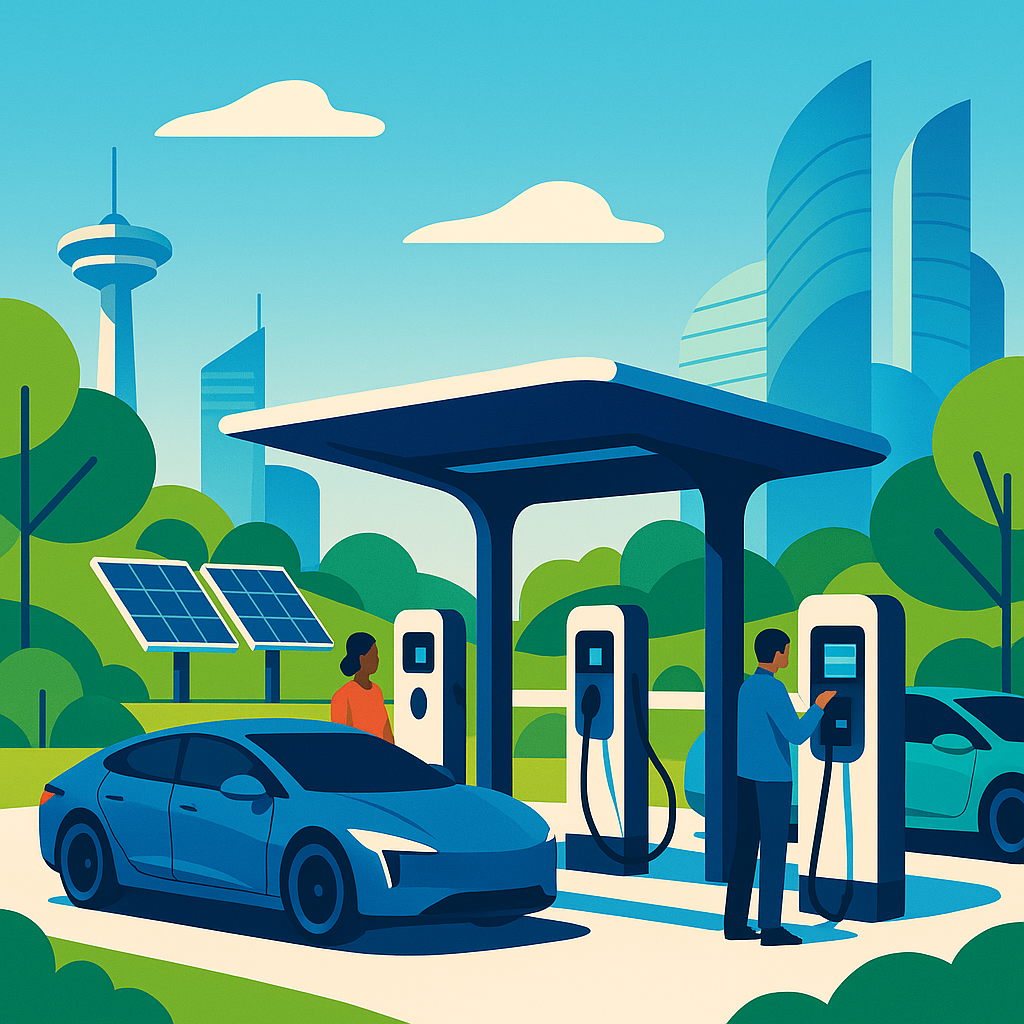
Despite their advantages, electric vehicles also face several challenges. One of the biggest hurdles remains charging infrastructure. While many urban areas have invested in charging stations, rural locations still lag behind. Additionally, the concern regarding battery lifespan and the environmental impact of battery disposal continue to pose questions.
The Role of Government and Policies
Governmental policies play a crucial role in promoting electric vehicles. Incentives such as rebates, tax credits, and investment in charging infrastructure are vital in encouraging consumers to make the switch. Countries worldwide are setting ambitious targets for phasing out gasoline vehicles, paving the way for a future dominated by electric mobility.
Future Innovations in Electric Transportation
The future of electric vehicles is promising, with numerous innovations on the horizon. Technologies such as solid-state batteries, which offer greater range and faster charging, are being developed. Additionally, advancements in autonomous driving may lead to new forms of shared mobility, reducing the number of cars on the road and further decreasing emissions.
Conclusion
In conclusion, electric vehicles are playing a critical role in shaping the future of transportation. While challenges exist, the continued advancements in technology, supportive government policies, and changing consumer preferences are likely to drive the growth of the electric vehicle market in the coming years. Embracing EVs not only benefits the environment but also revolutionizes the driving experience.